
Reconstituted peptide goes in the fridge at 2–8 °C. Lyophilized (dry powder) peptide goes in the freezer. And not the kitchen freezer — the kitchen freezer is auto-defrost, which cycles between -10 °C and +5 °C every 6 hours, slowly degrading anything sensitive stored inside.
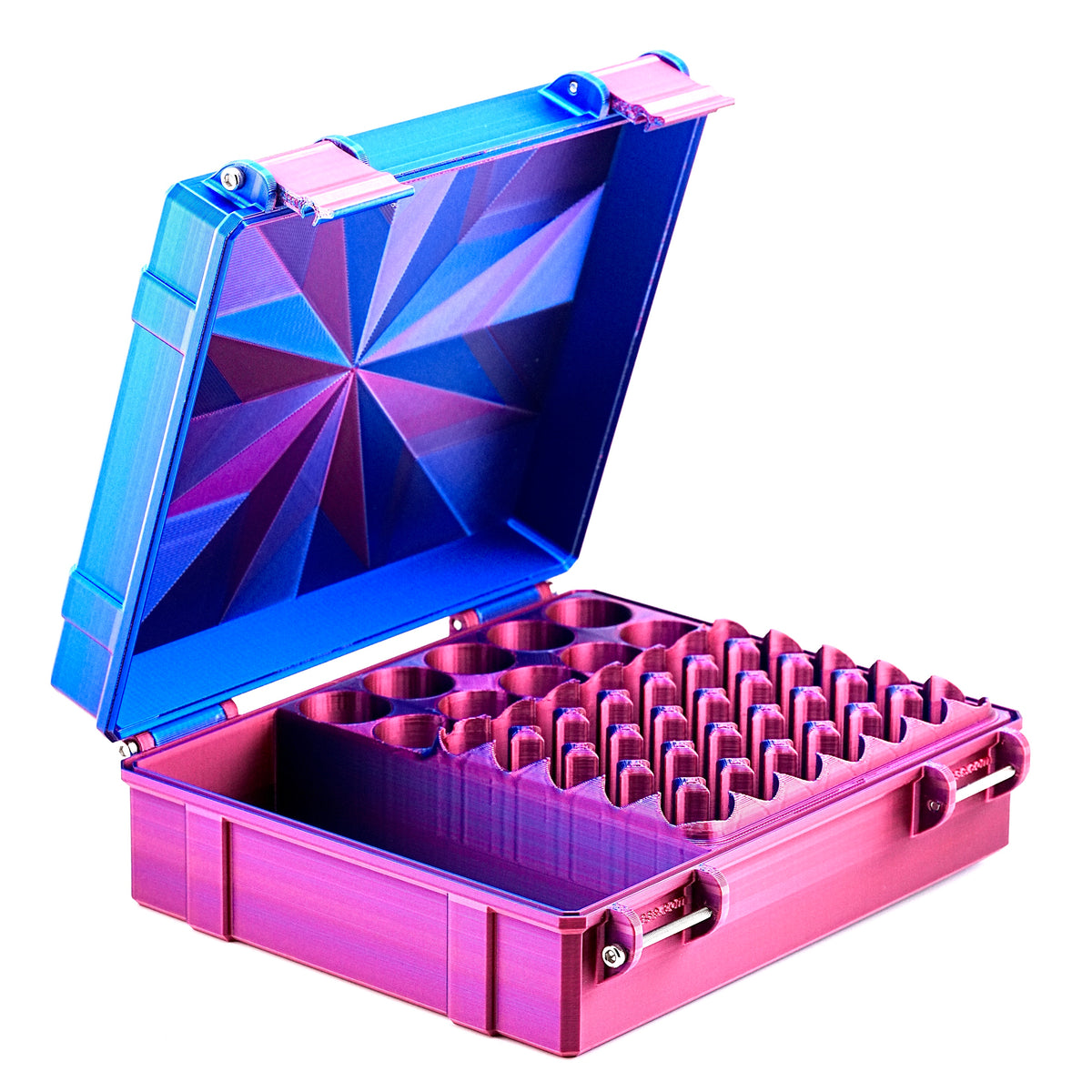
For long-term peptide stockpiles (multi-month research compounds, bulk BPC-157, TB-500, MOTS-c, or any peptide you bought in bulk and aren't reconstituting for weeks), you need a lab-grade freezer that holds -20 °C continuously without defrost cycles. Below: five options under $1,500.
Why kitchen freezers fail for peptides
- Auto-defrost cycles raise interior temperature to +5 °C for ~30 minutes every 6–12 hours. Repeated freeze-thaw cycles degrade peptides.
- Door swings let warm air in, then the freezer over-cools to compensate.
- Forced-air circulation dries out anything not in sealed containers.
- Bottom drawer chaos — peptides get stuffed behind frozen peas and forgotten.
What "lab-grade" means here
- Manual defrost (no auto-cycling)
- Tight temperature stability (±2 °C continuous)
- -20 °C or colder (lab freezers go to -40 °C; ultra-low go to -86 °C)
- Locking door (most lab freezers include this)
- Door-open alarm
- Internal monitoring port for an external temperature logger
The 5 picks
1. Best overall — Whynter UDF-139SS 1.3 cu ft Lab Freezer
Solid steel exterior, manual defrost, -8 to +4 °F (-22 to -15 °C) range. Lockable door, door alarm, internal temperature display. ~$650.
The most "lab fridge feeling" sub-$700 option. Holds 80+ 3 mL vial cases of dry-powder peptides. Quiet enough for a closet or pantry.
Shop Whynter UDF-139SS on Amazon Prime →
2. Best budget — Northair 3.0 cu ft Chest Freezer (Manual Defrost)
Chest-style, manual defrost, -10 °F minimum. Locking lid (kid-safe). ~$200.
The cheapest legit option. Chest-style means the cold air doesn't dump out when you open the lid (it's denser than warm air, sits at the bottom). Won't have the precision of a true lab unit but holds dry powder peptides reliably.
Shop Northair chest freezer on Amazon Prime →
3. Best -40 °C — So-Low C40-3 Mini Lab Freezer
-40 °C capability, 3.0 cu ft, microprocessor-controlled, alarm, lock. ~$1,450.
For peptides that benefit from deeper freeze (long-term reserves, research-grade samples). Higher-end price but holds -40 °C continuously.
4. Best built-in — Summit Appliance ALFZ36 Lab Freezer
3.6 cu ft, manual defrost, -22 °F. Counter-depth built-in form factor. ~$1,100.
For a permanent lab setup. Slips into a cabinet like a beverage cooler but holds true -20 °C.
Shop Summit ALFZ36 on Amazon Prime →
5. Best WiFi-monitored — Stirling Ultracold SU105UE-W (Compact Ultra-Low)
-86 °C ultra-low temperature freezer. Compact ~105 L capacity, WiFi temperature alerts. ~$3,500 (just over budget but worth mentioning).
For research-grade ultra-long-term storage. Most peptide users will never need this — but research labs, clinical trial sites, and multi-year stockpilers do.
Shop Stirling Ultracold on Amazon Prime →
How to organize a peptide freezer
- Use the original manufacturer packaging if available. The foil-sealed glass vials peptides ship in are already optimized for cold storage.
- Then use hard-shell cases. Ultimate Jumbo 300 is rated for freezer storage and holds bulk inventory.
- Don't open the freezer for "let me check what I have." Track inventory on a spreadsheet or app so you minimize door swings.
- Date everything. Sharpie the receive date on each case so you rotate oldest-first.
- Run a separate logger for at least the first month. Verify the unit holds within ±2 °C of setpoint.
- Don't store reconstituted peptide here. Freezing aqueous peptide solutions usually destroys them.
When -20 °C is overkill
If you're reconstituting peptides every 2–4 weeks, a refrigerator is enough. The freezer matters when you're stockpiling 3+ months of unreconstituted peptide.
Pair with bulk storage cases
- Ultimate Jumbo 300 — 300-vial freezer-rated case.
- 200-Slot 3 mL Case — clinic-scale bulk storage.
Related
- Bulk peptide storage: fridge + freezer organization
- Microdose GLP-1 storage strategies
- Can you freeze semaglutide / tirzepatide?
Frequently Asked Questions
Can I store lyophilized peptides in a kitchen freezer?
For short-term (a few weeks) yes. For long-term storage (3+ months), no — auto-defrost cycles raise interior temperature every 6–12 hours, causing repeated freeze-thaw stress that degrades peptides over time.
What temperature is best for lyophilized peptide storage?
Most lyophilized peptides are stable at -20 °C (-4 °F). For ultra-long-term storage (years), -40 °C or below is recommended. -86 °C ultra-low freezers are for clinical-trial-grade research samples.
Do I need a lab freezer if I only buy peptides monthly?
Probably not. A lab freezer pays off when you stockpile 3+ months of inventory. For monthly users, a refrigerator is enough — most peptides are stable refrigerated for 30–60 days reconstituted.
Why manual defrost instead of auto-defrost?
Auto-defrost cycles heat the interior to +5 °C for 30 minutes every 6–12 hours to melt ice off the coils. That repeatedly raises peptide temperature into a damaging zone. Manual defrost stays at setpoint continuously.
How often should I manually defrost?
Every 6 months for typical use, or whenever ice buildup exceeds 1/4". Plan it for a day when you can move peptides to a backup cooler with ice packs for 2–4 hours during the defrost.
Can I freeze reconstituted peptide vials?
Generally no — freezing aqueous peptide solutions causes ice crystal damage to the protein structure. Only lyophilized (dry powder) peptides should go in the freezer. Reconstituted vials belong in the refrigerator.
Affiliate disclosure: VialCase is a participant in the Amazon Services LLC Associates Program. As an Amazon Associate, VialCase earns from qualifying purchases at no additional cost to you. Trademarks: All brand names and product names referenced (including but not limited to Ozempic®, Wegovy®, Mounjaro®, Zepbound®, and any device or supplement brand mentioned) are the property of their respective owners and are used here for editorial identification only. VialCase is not affiliated with, endorsed by, or sponsored by these brands.
Educational only. Confirm storage specs with your prescribing healthcare provider or manufacturer documentation.


