
You can't manage what you don't measure. A peptide fridge that "feels cold" can be running at 50 °F because the thermostat drifted, the door wasn't latched, or the compressor is failing. By the time you notice the vial is cloudy, it's too late.
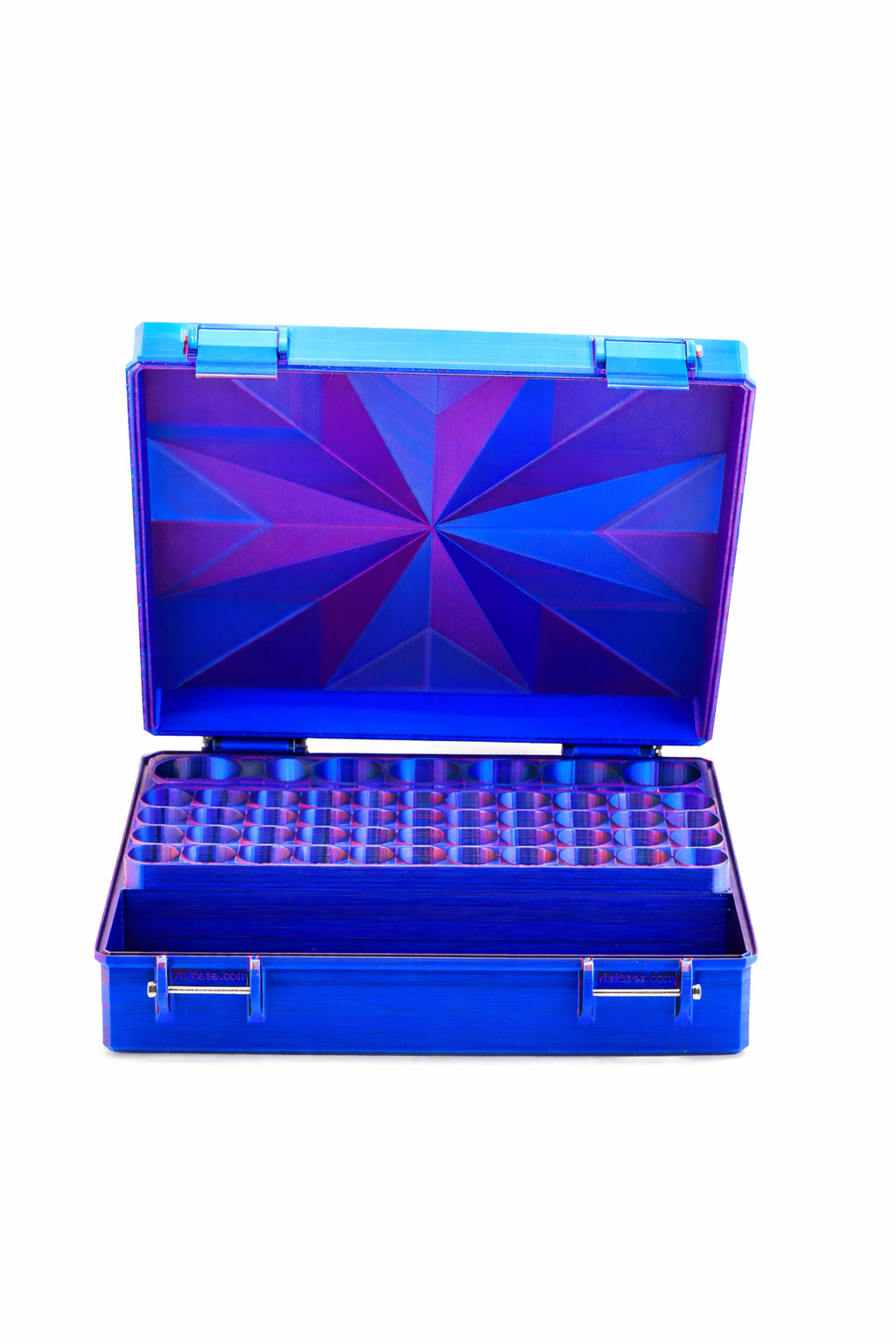
A temperature sensor with a logging history closes the loop. It tells you not just what the temperature is right now, but what it has been every minute for the last week. Below: four sensor categories, ranked by what fits which user.
The four sensor types
1. Bluetooth thumb-stick loggers
Cheap, compact, run for 1–6 months on a coin battery. Pair to your phone via Bluetooth in range (~30 ft). Records temperature every minute, gives you a curve to scroll through.
Best for: mini fridge in the kitchen, no WiFi needed, single user.
2. WiFi loggers
Stationary, plug into the wall or run on AA batteries. Push data to cloud. Alert you on your phone the moment temperature goes out of spec.
Best for: wine fridge / medical-grade fridge that lives somewhere with WiFi, when you travel and want to know if home temperature failed.
3. Built-in case sensors
The sensor is integrated into the vial case itself. Always travels with the peptides. No separate setup.
Best for: travel — verifies the case + cooler + phase-change pack actually held during transit.
4. Dataloggers (FDA / pharma-grade)
Calibrated to NIST standards, used for compliance audits. ~$200–500 each.
Best for: clinics, med spas, telehealth fulfillment.
The 5 picks
1. Best WiFi — SensorPush HT.W WiFi Temperature & Humidity Logger
$130 base + $99 WiFi gateway. ±0.4 °F accuracy, alerts to phone, unlimited cloud history. Two-year battery. The gold standard for serious fridge monitoring.
Set alert: above 46 °F or below 35 °F → SMS + email + push notification within 60 seconds.
Shop SensorPush on Amazon Prime →
2. Best budget WiFi — Govee H5179 WiFi Temp & Humidity
$40, ±0.5 °F accuracy, alerts via Govee app, 2 years on AA batteries. Less polished than SensorPush but $190 cheaper.
The right choice for a 2nd / 3rd fridge or for a starting point.
3. Best built-in to a case — VialCase TempView
The vial case ITSELF has a built-in temperature and humidity sensor. Logs to phone via Bluetooth. Travels with your peptides automatically. No separate device, no setup, no "wait, did I bring the logger?"
For travel users, this eliminates the most common failure mode: leaving the logger at home.
4. Best for clinics — Onset HOBO MX1101 Bluetooth Logger
$140, NIST-traceable calibration available, FDA 21 CFR Part 11 compliant if needed. For med spas, telehealth fulfillment, or anyone who needs audit-ready logs.
Shop Onset HOBO on Amazon Prime →
5. Best USB datalogger — Elitech RC-5 USB Temperature Logger
$35. Records up to 32,000 readings. Plug into a USB port to download a PDF report. No WiFi, no Bluetooth — just record + read later.
For shipping vials and verifying the shipment stayed cold. Or for the user who doesn't want another app on their phone.
Shop Elitech RC-5 on Amazon Prime →
How to set alerts that actually catch problems
- High threshold: 46 °F (8 °C). Vials going above this for > 30 minutes need investigation.
- Low threshold: 35 °F (1.5 °C). Below this, you risk freezing. Peptides usually tolerate brief excursions but repeated cycles destroy them.
- Door-open detection if your sensor supports it. A door left open for 5 minutes is enough to raise mini-fridge temp by 5 °F.
- Battery low alert. Sensors that die silently are worse than no sensor.
- WiFi disconnect alert. If your sensor goes offline, you're not getting alerts. Need to know.
Travel: built-in case sensor wins
For travel, a WiFi logger does nothing — there's no WiFi in a hotel cooler. A Bluetooth thumbstick works if you remember to pack it. A case with a built-in sensor is always there — by definition, because your peptides are in it.
The minimum viable monitoring kit
- Home fridge: Govee H5179 WiFi (~$40) — alerts when something goes wrong.
- Travel: TempView case (~$80) — built-in sensor, no separate device to lose.
- Clinic: SensorPush HT.W + gateway (~$230) — pharmacy-grade reliability.
Related
- Why temperature and humidity matter for peptide storage
- Reading sensor data to diagnose storage problems
- What a sensor catches that a normal case misses
Frequently Asked Questions
WiFi logger vs Bluetooth logger — which should I get?
WiFi loggers (SensorPush HT.W, Govee H5179) alert you when you're away from home. Bluetooth loggers (TempView, basic Govee) require you to be in range to read data. For home use, WiFi is better. For travel, a case with built-in Bluetooth sensor (TempView) wins.
Do I really need a temperature sensor if my fridge has a display?
Yes — the built-in display shows ambient air temperature, not what your vials actually experience. A separate logger inside a sealed case (or a case with built-in sensor) tells you what the vials see between door openings.
What temperature alerts should I set?
High alert at 46 °F (8 °C) — vials going above for 30+ minutes need investigation. Low alert at 35 °F (1.5 °C) — risk of freezing damage. Door-open alert if your sensor supports it.
How accurate are these sensors?
SensorPush HT.W: ±0.4 °F (lab-grade). Govee H5179: ±0.5 °F. TempView built-in sensor: ±1 °F. For peptide storage, anything within ±1 °F is more than enough — temperature drift is the concern, not absolute precision.
Will the sensor batteries die during a trip?
Most run 6–24 months on a coin battery or AA. Replace before any trip longer than 7 days. The "low battery" alert from your app should catch failures before they happen.
Can I prove temperature compliance for a clinic audit?
For Part 11 / FDA-grade audit logs, you need an Onset HOBO or similar NIST-calibrated logger with downloadable PDF reports. Consumer sensors (Govee, SensorPush) are not certified for compliance documentation.
Affiliate disclosure: VialCase is a participant in the Amazon Services LLC Associates Program. As an Amazon Associate, VialCase earns from qualifying purchases at no additional cost to you. Trademarks: All brand names and product names referenced (including but not limited to Ozempic®, Wegovy®, Mounjaro®, Zepbound®, and any device or supplement brand mentioned) are the property of their respective owners and are used here for editorial identification only. VialCase is not affiliated with, endorsed by, or sponsored by these brands.
Educational only. Confirm storage specs with your prescribing healthcare provider.


